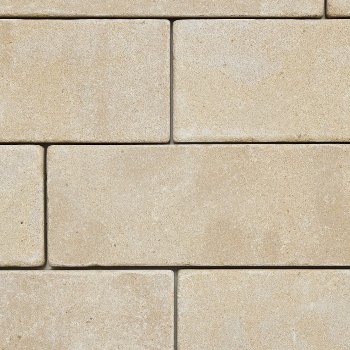
Nowadays, many homes in Sydney utilise limestone tiles or stone pavers since they are both practical and provide the property with a beautiful aspect. Since these are known for durability and elegance, stone pavers are a traditional choice for outdoor spaces and are a wonderful choice for outdoor settings since people walk on them when they are put in exterior regions of the house. Travertine is often used as pool decking and is an excellent non-slip material for patios due to its naturally porous surface. Because travertine frequently remains chilly, the underfoot feels pleasant even in warmer weather.
A Thorough Examination of Concrete, Bluestone Paver, and Baguettes
Concrete pavers are a flexible and reasonably priced option for patios, driveways, and pathways. Experts employ stone sealer to guarantee that the created surface is not harmed by water or other weather conditions. They can more closely resemble actual stones since they are available in a variety of sizes, shapes, and textures. Additionally, because of its interlocking architecture, it is more resilient and less likely to move and shatter with time. These pavers are quite easy to repair if they crack and need little upkeep. As a result, homeowners may build unique exterior designs that perfectly complement their surroundings by utilising a variety of colours and finishes.
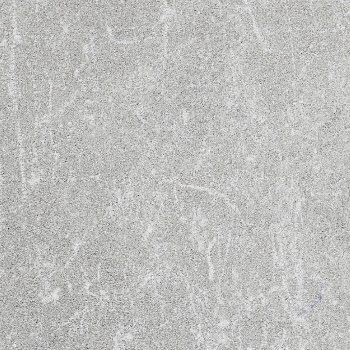
Bluestone pavers are a high-end flooring option because of their exceptional appearance and naturally soft texture. This paver is renowned for adding a modern yet classic feel to outdoor spaces. They have a natural feel and vivid blue-grey colours. They are perfect for driveways, pathways, and courtyards because of their remarkable resilience to weather and wear. Bluestone pavers endure a long time and require little upkeep since they are naturally thick. Furthermore, bluestone's non-slip surface is safe on its own, particularly near swimming pools and other damp locations.
Stone baguettes are useful and fashionable for both traditional and modern designs. When used as cladding for walls, columns, and facades, these long, thin stone slabs give architectural features depth and texture. Because they are crafted from premium natural stone, baguettes are incredibly resilient to the elements. Because stone baguettes come in a variety of colours and finishes, they may be used to improve the visual appeal of any home or place of business.
Simply add the paver you want for your building to your cart from the websites of the top retailers, or get help selecting the perfect product by getting in touch with the sellers directly.