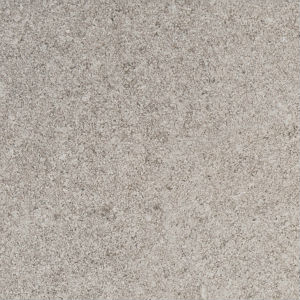
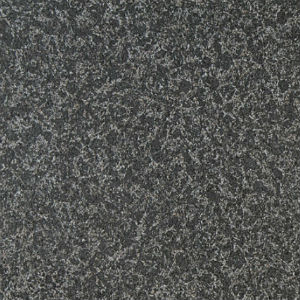
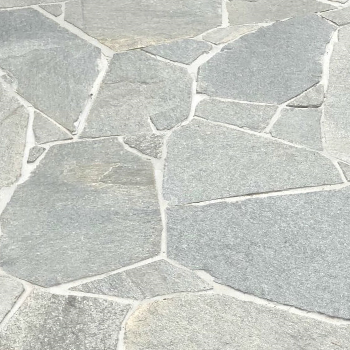
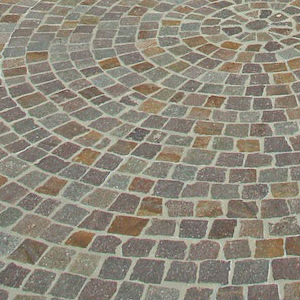
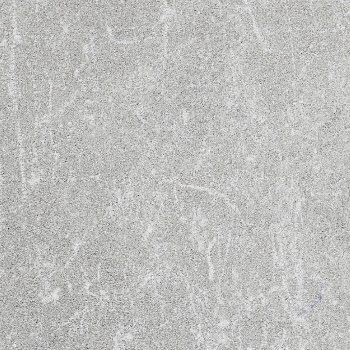
Stone pavers have versatile material for a variety of exterior designs because of their earthy tones and delicate textures that go well with both modern and traditional residences as well as planted gardens. Particularly as homeowners search for useful methods to create hospitable gardens, party spaces, and tranquil retreats, outdoor spaces are growing in importance as an extension of the house.
Limestone offers a unique blend of natural character, adaptability, and classic elegance for homeowners looking for limestone pavers in Sydney. By fusing aesthetic appeal with practicality, the proper pavement material can drastically alter the ambience of an outdoor area.
Add Warmth and Texture to Contemporary Landscaping
Depending on the specific limestone chosen, shades might vary from gentle creams and warm beiges to delicate greys and earthy tones. The visual balance required to soften contemporary outdoor designs can be found in limestone. Its natural texture adds cosiness without overpowering the nearby structures.
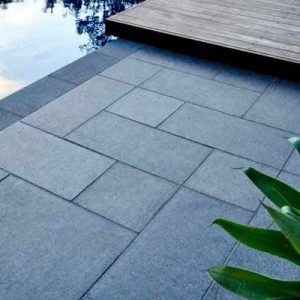
These features enable paved areas to seamlessly merge in with the surrounding landscape and give them a more organic appearance. While smaller designs can give walkways or courtyards rhythm and definition, large-format pavers can produce a streamlined appearance.
Create Stunning Pathways with Durable Appeal
They may also develop into crucial design components that direct motion and produce aesthetic structure. Pavers made of limestone can be placed to create walkways that lead to entrances, around entertainment areas, and through gardens.
Their organic look complements plants, gravel, wood, and other landscape elements, especially nicely. A well-thought-out limestone walkway can create a sophisticated transition between various outdoor areas and give the impression that a garden is more organised.
Make Pool Environments Feel Elegant and Calm
A surface for a pool area must blend in with the property's overall architecture, landscaping, and water. While warmer hues might create a more personal setting, lighter limestone can represent a bright, airy style.
The finish that is chosen is particularly crucial since practical factors like surface texture, drainage, and slip resistance should be taken into account when choosing outdoor paving around pools. Homeowners can choose an appropriate solution for their specific pool setting with the assistance of a professional.